
Whether you’ve just bought your first soup maker or you’re thinking about upgrading, this guide will answer the most common questions about how to use them.
I’ve been testing and cooking with soup makers since 2014, and in that time they’ve come a long way. Many models now come with extra functions like sautéing, blending, smoothie making, and even steaming. The good news is that once you understand the basics, you can make delicious soups in any brand, from Morphy Richards and Salter to Ninja, Tower and Tefal.
Below you’ll find answers to the most frequently asked questions about using a soup maker, from which stock to use, to why soup sometimes sticks or burns, to the best way to store leftovers.
Like any kitchen appliance or gadget, a soup maker can at first glance seem daunting when they are first taken out of the box. Fortunately, most soup makers are really easy to use, as well as being quite intuitive on first use.
1. How Does a Soup Maker Work?
A soup maker looks a little like a blender, but it has a built-in heating element that cooks and blends your ingredients all in one jug. You simply add your chopped vegetables, stock, and seasonings, choose your setting (smooth or chunky), and press start.
On the smooth setting, the soup maker cooks everything, then automatically blends it into a silky texture. On the chunky setting, it cooks your ingredients but only blends briefly (or not at all), leaving pieces of vegetables or meat in the finished soup.
Most soup makers take 20 to 30 minutes from start to finish, depending on the model and the size of your ingredients.
2. Which Soup Maker Brand Should I Buy?
There are quite a few soup makers on the market, and the best one for you depends on your budget and what features you want.

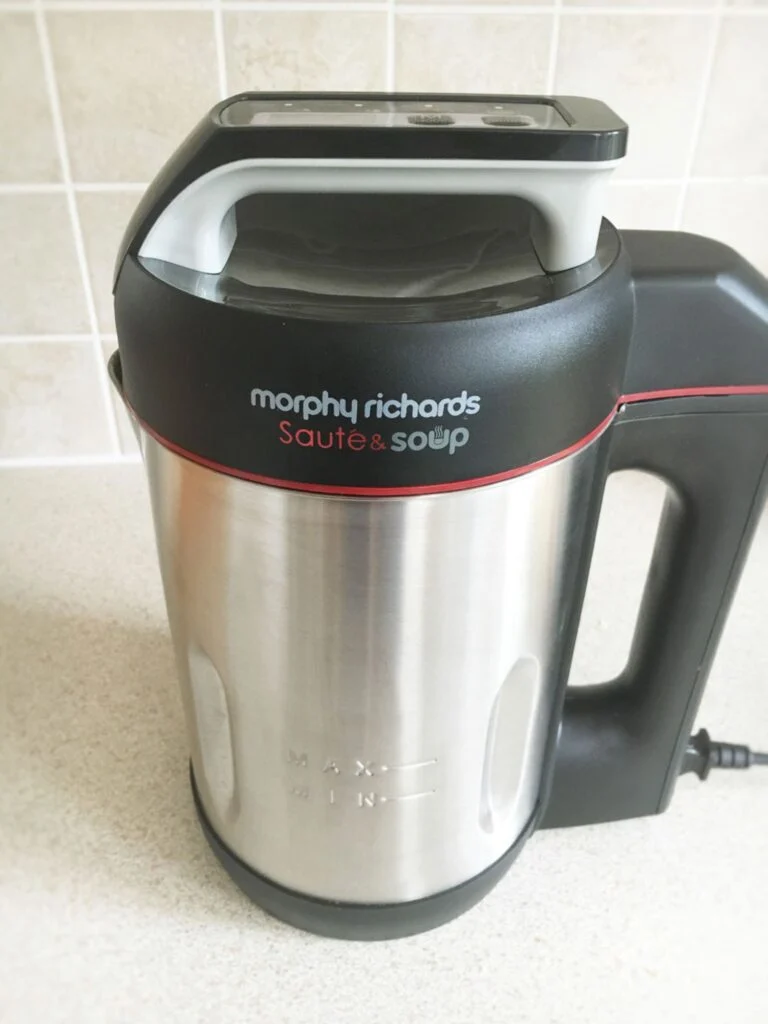
- Morphy Richards – Probably the most popular brand in the UK, with affordable models that are easy to use. Great if you just want straightforward soups without too many extras.
- Ninja – A newer entry to the soup maker world, with more advanced models that can sauté, blend, make sauces, and even prepare smoothies. Ideal if you want one appliance that can do more than just soup.
- Salter & Tower – Budget-friendly brands that often release simple, no-frills models. Good if you want to try a soup maker without spending too much.
- Tefal & Philips – Mid-range brands, usually with a good mix of reliability and extra features.
If you’re completely new to soup makers, a Morphy Richards model is a safe and affordable place to start. If you want something more versatile that you’ll use beyond soup, the Ninja Soup Maker is worth the investment.
You might also like: Soup Maker Buying Guide
3. Do I Need To Sauté Ingredients Before Making Soup?
Sauté is just another word for frying. Whether you choose to sauté any of your ingredients prior to making a soup out of them is a matter of personal taste.
When you lightly cook some of the ingredients you will be releasing some of the flavours and intensifying some of the taste. This is especially true when including ingredients such as onions, garlic and spices.
However, if your soup maker doesn’t have a built-in sauté feature you may not have the time or inclination to use a separate pan to take this step. It really is down to personal taste and not sautéing ingredients is not a problem – you’ll still get a great tasting soup!
If you want a soup maker with a sauté function, take a look at the Ninja Soup Maker or one of the Morphy Richards.
4. How Much Stock Should I Add?
Always check the minimum and maximum fill lines inside your soup maker jug, these are the most important guides.
After lots of soup making over the years, my preferred way is to add all the ingredients first, followed by the stock pot/cube/powder directly to the soup maker jug, then I pour hot water in, up to the MAX line of the soup maker.
An alternative way is to make the stock up in a seperate jug and then pour it into the soup maker, again, up to the maximum line of your machine.
Some soup makers have both a minimum and maximum level (for example, Morphy Richards Soup Makers) whereas others just have a maximum level (for example, Ninja Soup Maker).
5. Can I Add Raw Meat Or Fish Directly To The Soup Maker?
Most soup makers are not designed to cook raw meat or fish from scratch, the cooking cycle is too short to guarantee food safety.

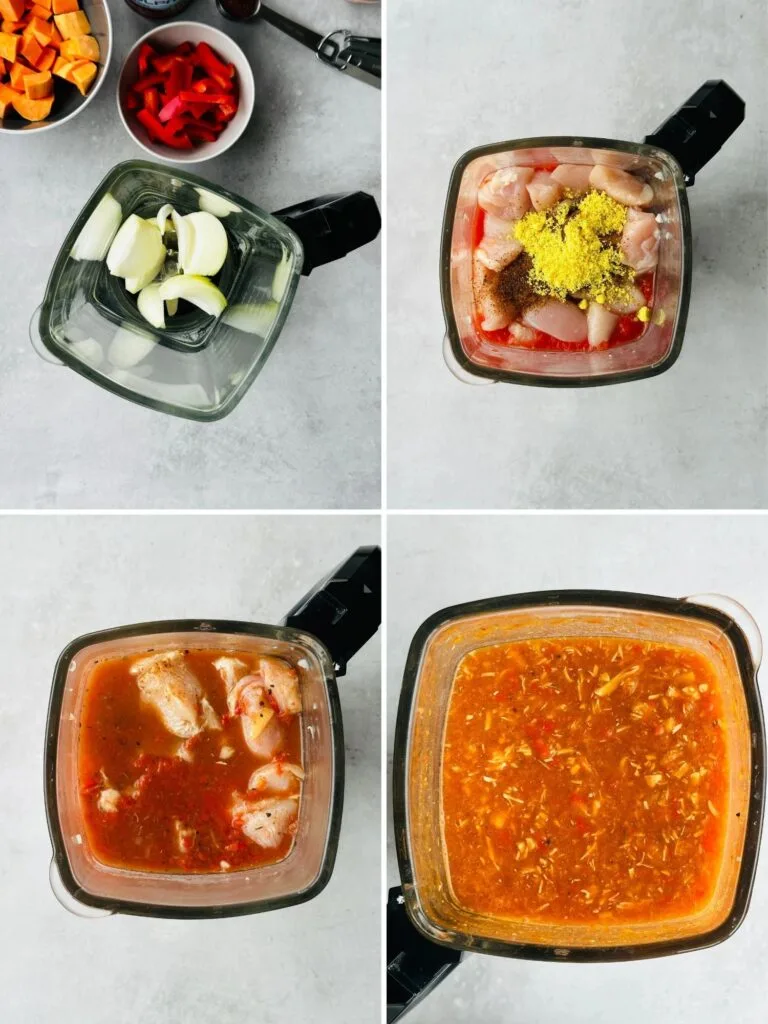
The main exception is the Ninja Soup Maker, which has a longer, higher-temperature cycle that can handle small pieces of raw chicken, beef, or fish.
Some other brands (such as Morphy Richards models with a sauté function) allow you to brown a small amount of mince, usually up to 100g, before starting the soup programme. This helps add flavour, but it’s not the same as cooking larger amounts of raw meat through.
For most situations, the safest approach is to:
- Use up leftover cooked meat (great for roast chicken, ham, or beef).
- Brown meat separately in a pan before adding it to the soup maker.
- Stir in cooked meat or fish at the end of the cycle to heat through.
6. Do I Need To Peel And Chop Vegetables First?
You don’t need to peel everything — it depends on the vegetable and your personal preference.
- Thin-skinned vegetables like carrots, parsnips, potatoes, and sweet potatoes can be left unpeeled if washed well. The skin adds extra fibre and nutrients, though peeling gives a smoother finish.
- Thick or tough skins (like butternut squash, swede, or pumpkin) should be peeled as they won’t break down properly during blending.
- Onions and garlic should always be peeled.
Whatever you use, make sure to chop vegetables into small chunks (roughly 1–2cm). This helps them cook evenly and prevents the blades from getting stuck.
7. Can I Use Frozen Vegetables In A Soup Maker?
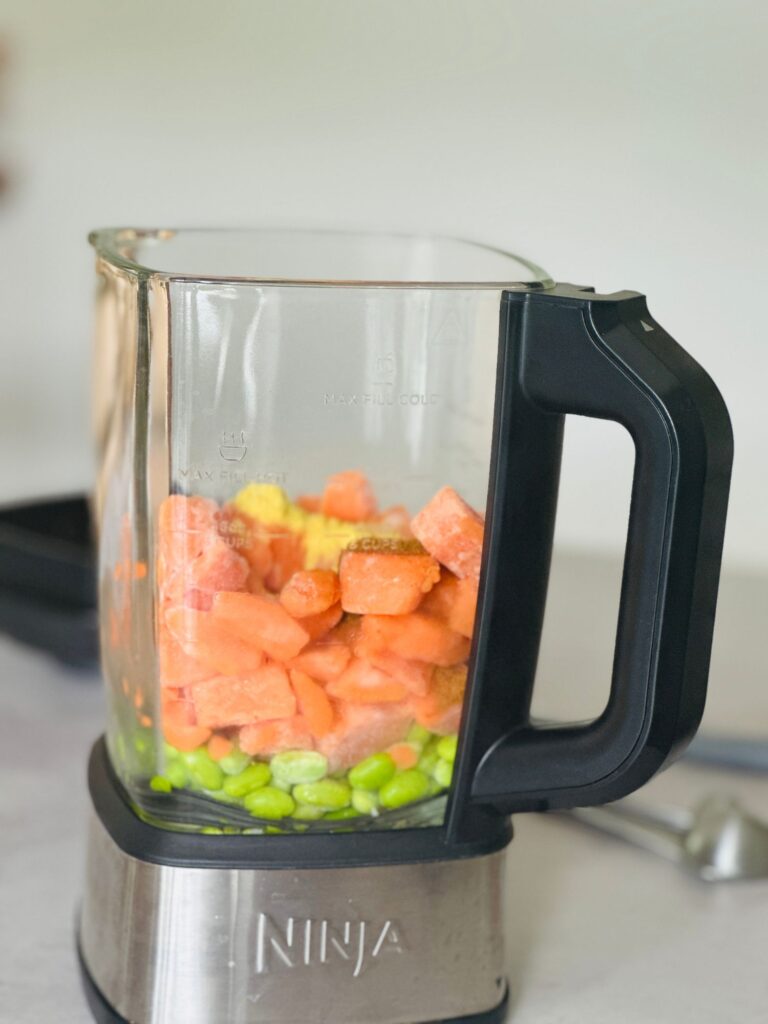
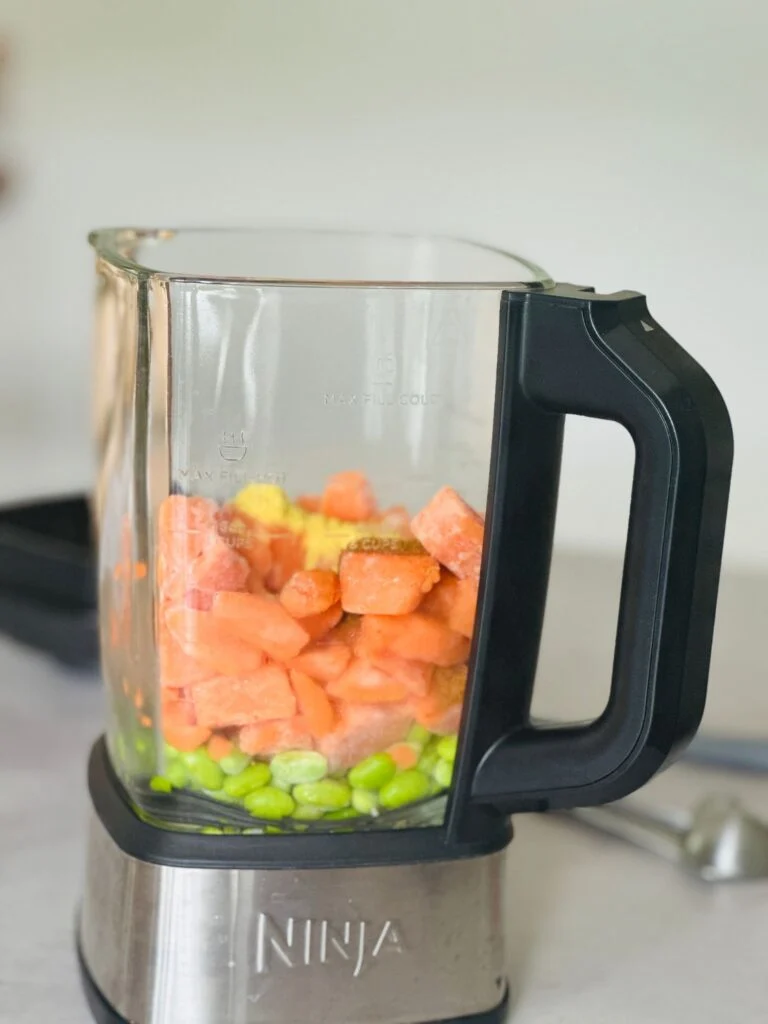
It depends on your soup maker.
- Ninja Soup Maker (and other robust models): These machines have stronger blades and motors, so you can add vegetables straight from frozen without a problem.
- Most other brands (like Morphy Richards, Salter, Tower): Manufacturers recommend that frozen vegetables are thawed first. Adding a whole batch of frozen ingredients can strain the motor or damage the blades. However, using a small amount of frozen veg (for example, a handful of peas or spinach) is usually fine, as long as the majority of ingredients are fresh or thawed.
A good rule of thumb is: a little frozen is fine, but avoid filling the soup maker with entirely frozen ingredients unless the manual says otherwise.
8. How Long Does It Take To Make Soup In A Soup Maker?
Most soup makers take around 20 to 30 minutes from start to finish, depending on the model and the programme you choose.
- Smooth soups usually take about 20–25 minutes.
- Chunky soups take a little longer, around 25–30 minutes.
- If your soup maker has a sauté function, add on an extra 3–5 minutes for browning ingredients before starting the cycle.
The Ninja Soup Maker runs a slightly longer cycle (around 30 minutes for smooth and 30–35 minutes for chunky) because it cooks at a higher temperature and is powerful enough to handle raw meat and tougher vegetables.
9. Can I Make Other Things In A Soup Maker?
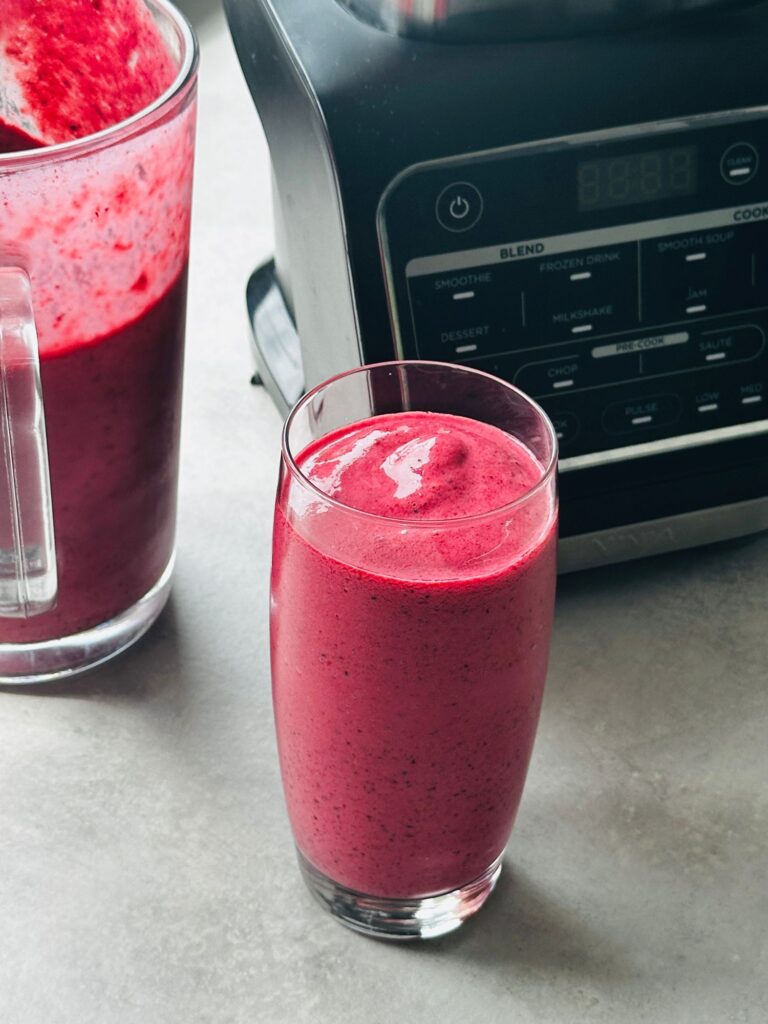
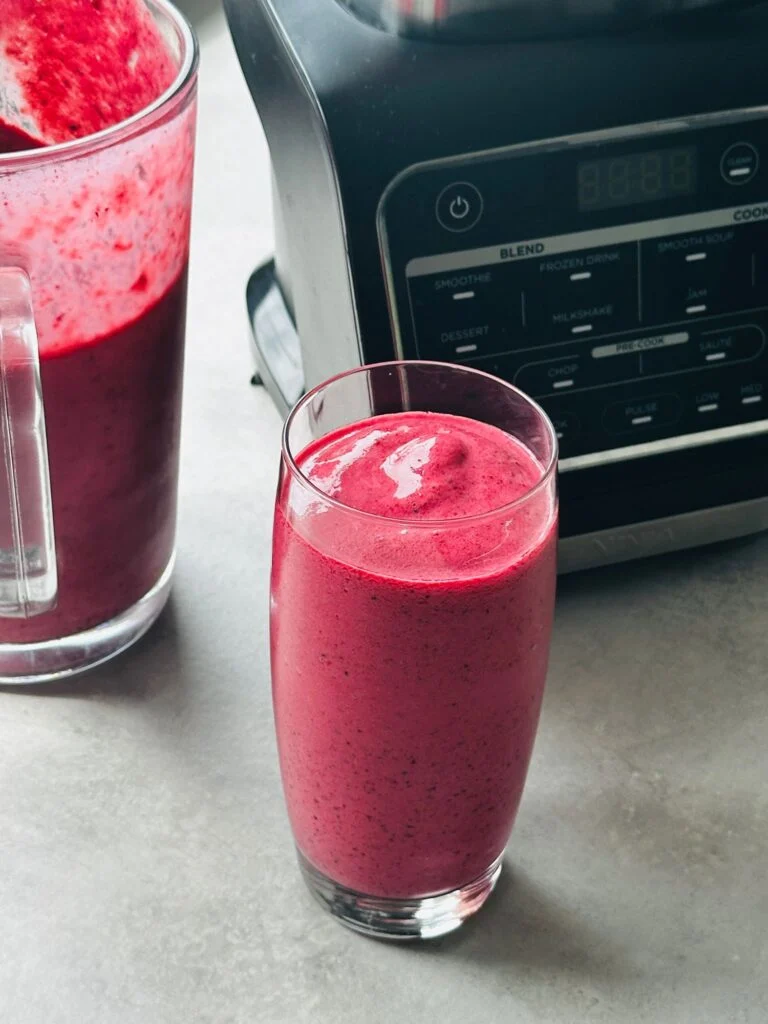
Yes, most soup makers can be used for more than just soup, although what you can make depends on your model.
- Sauces & purées – Tomato sauce, curry sauce, or vegetable purées work well. Just reduce the liquid if you don’t want it too thin.
- Smoothies & milkshakes – Some soup makers (like Ninja and certain Morphy Richards models) have a dedicated blend or drinks setting. Others can only blend hot, so check your manual before adding ice or frozen fruit.
- Baby food – Soup makers are excellent for steaming and blending vegetables into smooth purées. Just make sure everything is cooled before serving.
- Other uses – You can also make custards, hot chocolate, and even pancake batter in some machines.
The more advanced models are much more versatile, while basic soup makers are best kept for soups and sauces.
10. Can I Use Tinned Tomatoes, Passata, or tomato sauce in a soup maker?
Yes, tinned tomatoes, passata, and even tomato purée can all be used in a soup maker, and they make a great base for many soups.
A few tips:
- Tinned tomatoes – Both chopped and plum work well. My favourite brand at the moment is Mutti, I think they give the best flavour.
- Passata – Perfect for a smooth tomato base, but add some chopped vegetables or herbs for extra depth.
- Tomato purée – Use in small amounts (1–2 tablespoons) to boost flavour.
Because tomatoes are naturally acidic, they can sometimes cause soups to stick or catch at the bottom. To prevent this:
- Always add enough stock or water to dilute the tomatoes.
- Stir well before starting the cycle.
- If your machine has a sauté function, avoid sautéing tomato purée directly in the jug as it may burn.
11. Why does my soup sometimes burn or stick?
Some soup makers can occasionally burn on the bottom. I haven’t had this problem myself, but it usually comes down to a few common causes:
- Not enough liquid – Always check you’re above the minimum fill line with stock or water.
- Ingredients resting on the base – Make sure nothing is sitting directly on the bottom before you start the programme.
- Tomato products – Tinned tomatoes, passata, and purée can be tricky. The issue isn’t sugar, but thickness (viscosity). Thick tomato sauces are more likely to catch and burn if they’re not diluted enough.
How to prevent burning
- Stir everything well before pressing start.
- Add plenty of stock to thin out tomato products.
- Add a small splash of oil (rapeseed or olive) — this can help reduce sticking.
- If you’ve sautéed first, de-glaze the bottom with a little water or stock before starting the soup cycle.
12. How do I clean a soup maker?
Cleaning a soup maker is usually straightforward, but if food has stuck to the base it may need a little extra care.
- Basic cleaning – Unplug the machine, remove the lid/blade unit, and wash the jug with warm soapy water. Most soup makers are not dishwasher-safe, so always check your manual.
- If the base is burnt – Fill the jug with warm water and a drop of washing-up liquid. Leave it to soak for 15–20 minutes, then use a soft sponge or brush to gently lift off the residue. Avoid anything abrasive that could damage the non-stick coating.
- Tough stains – Add a spoonful of bicarbonate of soda to warm water, leave it to soak, then rinse thoroughly. This helps loosen stubborn burnt-on marks.
- Ninja Soup Maker and similar models – These have a handy auto-clean function. Just add warm water and a drop of washing-up liquid, select the clean cycle, and let the machine do the work.
Tip: To prevent tough cleaning jobs, always rinse your soup maker straight after use — it’s much harder to clean once food has dried on.
13. MY SOUP IS TOO THIN
A thin soup usually means there’s too much liquid compared to the amount of vegetables or pulses. Soup makers need enough stock to cook properly, but sometimes the ingredient to liquid ratio is out.
How to prevent thin soup:
- Add more vegetables, beans, or split red lentils for natural thickness.
- Starchy vegetables like potatoes, sweet potatoes, or carrots are excellent natural thickeners.
How to fix soup that’s already too thin:
- Run the soup maker on the blend function again after adding cooked lentils, beans, or chickpeas.
- Stir in a spoonful of tomato purée, cream, coconut milk, or blended bread for body.
- Simmer the soup on the hob for a few minutes to reduce excess liquid.
- Or, for a quick fix, stir in instant mashed potato granules at the end — they thicken soup almost instantly.
14. My soup is too thick
If your soup comes out thicker than you’d like, it’s usually because there wasn’t enough liquid added at the start or because the ingredients (like lentils, beans, or starchy vegetables) have absorbed more liquid than expected.
How to prevent overly thick soup:
- Always make sure you’re above the minimum fill line with stock or water.
- Remember that lentils, pasta, and rice will soak up liquid as they cook, add extra water or stock to allow for this.
How to fix soup that’s already too thick:
- Stir in a little boiling water or extra stock until you reach your desired consistency.
- Blend again briefly if the added liquid separates from the soup.
You Might Like: How To Thicken Soup
15. What Is The Best Oil For A Soup Maker?
Some soup recipes call for a sauté step. If this is the case then you will need to consider which oil you want to use.
If the recipe doesn’t state which oil to use then olive oil, rapeseed oil, or even just some butter will do the job. If you like the taste of coconut oil this can also be suitable.
16. What Is The Best Stock For Soup?
The best stock for soup is homemade. But let’s be realistic, many of us don’t have the time to make stock from scratch. Having said that it is more straight forward than you might think – for a homemade stock it is simply a case of using up leftovers from other meals.
If convenience is the name of the game (which I totally understand), then it is worth having a stockpile of supermarket stocks on standby. If I’m using pre made stocks than my order of preference would be fresh stock from the chilled section, stock powder, stock pots and finally stock cubes. Most of the time I use stock pots as these can often be found for a reasonable price and pack quite a bit of taste in them.
Always check the ingredients before buying store stocks as there is often lots of salt included within them. If there is, remember to reduce or remove any necessary seasonings from the recipe you are following. Kallo makes very good low salt stocks (vegetable, chicken and beef).
17. Can I use lentils in my soup maker?
You certainly can. In fact I love lentil soups made in a soup maker. Split red lentils are the best type to use as you don’t need to soak them, I just give them a good rinse as per the packet instructions.
You Might Like: Bacon and Lentil Soup
18. How small do I need to cut the ingredients?


In order for all the ingredients to cook adequately, I find cutting them up into small chunks is best. This is especially true for ingredients like potatoes or butternut squash that might take a little longer to soften up. This will also ensure that the blades can easily cut through them to blend them up if you are making a smooth soup.
19. How To Convert A Soup Recipe
Almost any soup recipe you find in a cookbook or online can be converted into a soup maker recipe. The main thing you will need to adjust is the volume to make sure it fits within the maximum quantities of your soup maker. This is quite easy to do, just make sure you trend all the ingredients down in equal measure accordingly. You can also find some soup maker recipe inspiration here.
20. Should I Add Salt To My Soup?
Salt and any seasoning can really enhance the taste of a soup. However, I always recommend leaving the salt until after the soup has been made. This is simply because sometimes you won’t need it and also, many shop bought stocks have high levels of salt already added to them.
21. Why does my soup taste bland?
If your soup doesn’t taste as good as you expected, it usually needs a little extra seasoning or balance of flavours.
Ways to boost flavour:
- Season well – Don’t forget salt and black pepper. Add gradually, tasting as you go.
- Add acidity – A splash of lemon juice, lime juice, or vinegar brightens up flat-tasting soups.
- Use herbs and spices – Fresh or dried herbs, curry powder, paprika, cumin, or chilli can transform a basic soup.
- Finish with toppings – Try grated cheese, pesto, croutons, chilli oil, or fresh herbs to add a final lift.
- Build flavour at the start – If your soup maker has a sauté function, cook onions, garlic, or spices first before adding the liquid.
Even a simple soup can taste delicious with the right seasoning and finishing touches.
22. How Long Will Soup Keep For?
Some soup makers require that you make minimum quantities, this will often mean that you will have around 4 servings of soup. If you only require 1 serving you want to make sure the rest doesn’t go to waste.


Soup can be safely kept in a fridge for 3 to 4 days, as long as it is stored in an airtight container. A soup flask is another good way to store soup in the fridge. Just make sure that you allow it to cool down first before placing it in the fridge so that it doesn’t raise the temperature of the rest of the foods. When you are ready to reheat the soup simply gently cook it in a pan on the hob, or in the microwave.
You can also freeze soup, just portion it up, leave it to cool and pop it in a suitable freezer container. When you are ready to have it, take it out of the freezer, leave it to completely defrost before reheating it in one of the ways discussed above. It will last for 4 to 6 months in a freezer. Bulk soup making here we come!
Do you have any questions about using a soup maker? Please ask away in the comments or send me an email. You can also join my private Soup Maker Recipes Facebook group for additional tips and recipe inspiration – it would be great to see you there!
SANDRA
Saturday 15th of March 2025
Is it really necessary to weigh ingredients in soup makers?
Liana Green
Thursday 20th of March 2025
Hi Sandra - when I'm not creating a recipe for the blog I will just add the ingredients by eye without weighing - so no, there is no need to weigh them. Soup is very forgiving with ingredient amounts (within reason of course!)
Esta
Thursday 9th of February 2023
when a recipe uses coconut milk do you add it in the beginning or after the soup is made. Im always afraid it will curdle because it is too hot
Liana Green
Tuesday 14th of February 2023
I add mine at the beginning Esta and I've not had a problem with it so far.
Deb Roffe
Wednesday 22nd of June 2022
Hello, Can you make rice milk in a soup maker please. If so does anyone have a recipe for it. Thanks Deb Tasmania
Karen Cocker
Thursday 24th of February 2022
My soup maker did not make my soup hot shoul I put hot water in x also I found it very hard to put the lid on
Marie richmnd
Wednesday 23rd of February 2022
Hi can I use broth mixture ?? Do I have to soak it or just put in soup maker Thanks