
If you’re new to slow cooking, you might be wondering how to use a slow cooker, which settings to choose and how long everything takes to cook.
I remember when I first got a slow cooker. It sat unused in the back of my kitchen cupboard for years before I finally started using it regularly.
The good news is that slow cookers are incredibly easy to use. They’re great for preparing meals with very little effort, and you can cook everything from soups and stews to curries, casseroles and even desserts.
In this guide, I’ll explain how to get started, how long to cook different foods and answer some of the most common slow cooker questions.
For some inspiration, take a look at my collection of slow cooker recipes.
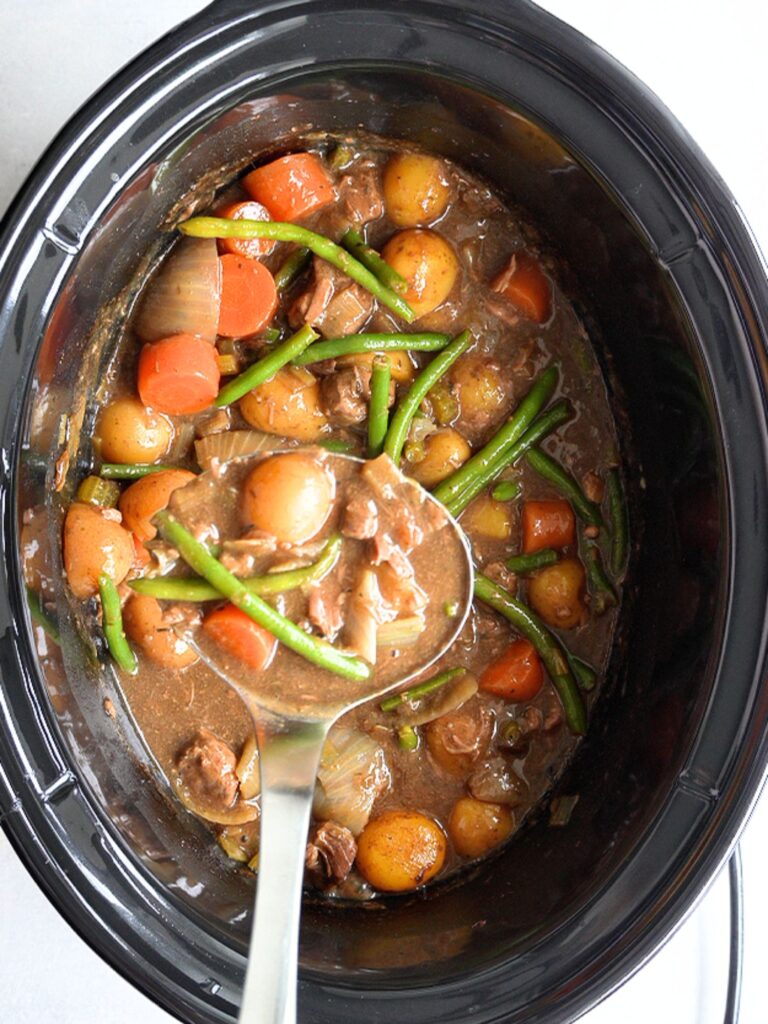
How Does A Slow Cooker Work?
A slow cooker uses gentle, consistent heat to cook food over several hours.
Most slow cookers have a removable cooking pot that sits inside a heated base, with a lid that traps heat and moisture.
Unlike cooking on the hob, very little liquid evaporates during slow cooking. This makes slow cookers particularly good for soups, stews, casseroles and cheaper cuts of meat that benefit from long, gentle cooking.
Most models have two main cooking settings:
- Low: Cooks food more slowly, making it ideal for meals you want to leave cooking throughout the day.
- High: Heats food more quickly, reducing the overall cooking time.
Some models also have an automatic setting or a keep-warm function.
How To Use A Slow Cooker For The First Time
If you’ve just bought a slow cooker, here’s how to get started.
1. Read The Instructions
Before using your slow cooker for the first time, read the manufacturer’s instructions.
Wash the removable cooking pot and lid according to the instructions, and make sure everything is clean and dry before assembling.
Place the slow cooker on a flat, stable, heat-resistant surface with plenty of space around it.
2. Prepare Your Ingredients
Chop your vegetables and prepare any meat you’re using.
Root vegetables such as carrots and potatoes usually take longer to soften than you might expect, so cut them into reasonably small, even-sized pieces.
If you’re making a stew or casserole, place the harder vegetables at the bottom of the cooking pot, with the meat on top.
You can brown meat beforehand for extra flavour, although this isn’t essential for every recipe.
3. Add The Liquid
Follow the quantities in your chosen recipe.
You generally need less liquid in a slow cooker than you would when cooking the same meal on the hob, as very little evaporates.
Some recipes, particularly those using large joints of meat, require little or no additional liquid.
4. Put On The Lid And Choose Your Setting
Place the lid securely on the slow cooker and select either low or high, depending on the recipe and how much time you have.
Some slow cookers have built-in timers, while simpler models have a dial that you turn to the required setting.
5. Leave It To Cook
One of the best things about slow cooking is that you don’t usually need to do anything while your meal is cooking.
Try not to remove the lid unnecessarily, as this allows heat to escape and can extend the cooking time.
6. Check Your Food Before Serving
Once the recommended cooking time has passed, check that the food is thoroughly cooked.
Use a food thermometer to check meat and poultry. Tougher cuts should also be tender enough for the recipe you’re making.
If you’re cooking a casserole or stew and the meat is still tough, it may simply need longer.

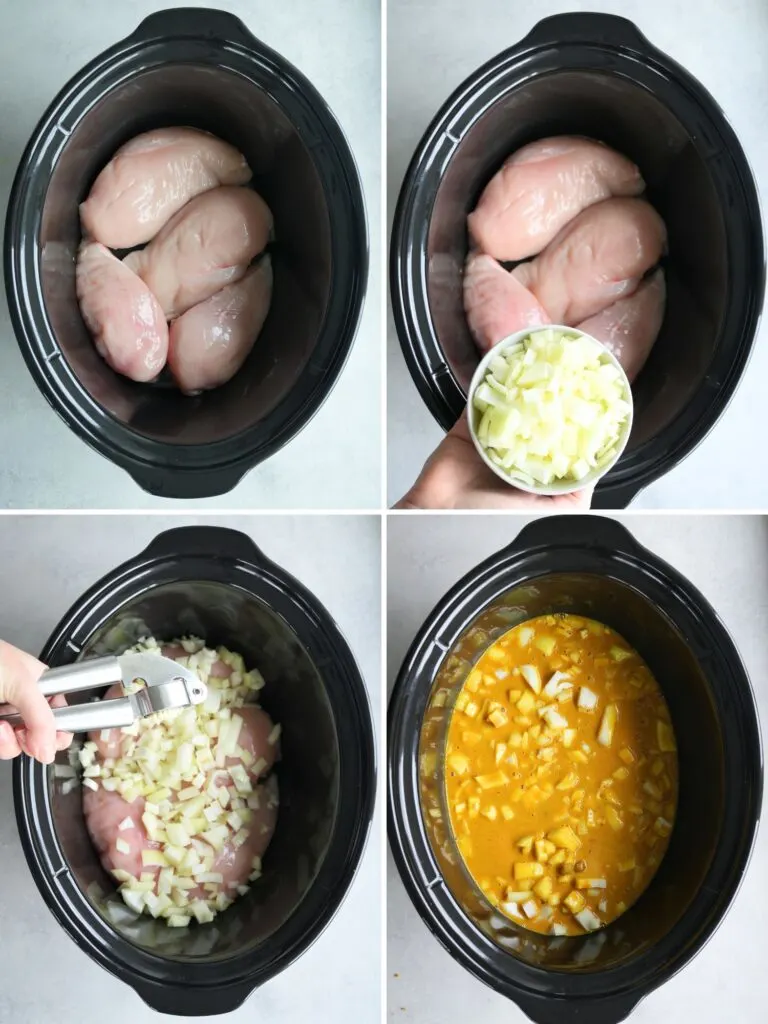
Slow Cooker Cooking Times
One of the most common questions is how long you should leave a slow cooker on.
The answer depends on what you’re cooking, how full the pot is and whether you’re using the low or high setting.
As a general guide:
| Food | Low | High |
|---|---|---|
| Chicken casserole | 8–10 hours | 4–6 hours |
| Beef stew | 7–9 hours | 4–5 hours |
| Pulled pork | 8–10 hours | 5–6 hours |
| Vegetable soup | 6–8 hours | 3–4 hours |
| Chilli con carne | 6–8 hours | 3–4 hours |
| Root vegetables | 6–8 hours | 3–4 hours |
These are approximate times rather than fixed rules. Always follow your chosen recipe and check that food is properly cooked before serving.
Larger joints of meat may take considerably longer, particularly if you want the meat to become tender enough to shred.
Should I Use Low Or High?
For most recipes, both settings will work, but the cooking time will be different.
As a rough guide, a recipe that takes 4 hours on high might take around 6 to 8 hours on low.
Low is particularly useful for tougher cuts of meat that benefit from a long cooking time.
High is handy when you have less time, although it doesn’t necessarily produce the same results for every recipe.
The keep-warm setting is designed to hold already-cooked food at a serving temperature. It shouldn’t be used to cook raw ingredients.
How Much Liquid Do You Need In A Slow Cooker?
You might be surprised by how little liquid you need.
Unlike a saucepan, where liquid evaporates as food simmers, a slow cooker keeps most of the moisture inside the pot.
Meat and vegetables also release their own juices as they cook.
For stews and casseroles, you generally don’t need to completely cover the ingredients with stock or water.
In fact, adding too much liquid can leave you with a watery sauce.
Some joints of meat can be cooked without any additional liquid, although you should always follow the recipe and your slow cooker’s instructions.
How To Thicken A Slow Cooker Sauce
One of the most common problems with slow cooking is ending up with a sauce that’s thinner than you’d like.
Because very little liquid evaporates during cooking, sauces don’t naturally reduce and thicken as much as they do on the hob.
Fortunately, there are a few easy ways to thicken them.
1. Use Cornflour
This is one of my favourite methods for thickening slow cooker sauces.
Mix 1 tablespoon of cornflour with 1 to 2 tablespoons of cold water until smooth.
Stir the mixture into the hot liquid in the slow cooker, replace the lid and cook on high for another 15 to 30 minutes, or until the sauce has thickened.
You can repeat the process if necessary.
2. Remove The Lid
Removing the lid towards the end of cooking allows some of the excess moisture to evaporate.
Turn the slow cooker to high and leave the lid off for around 20 to 30 minutes, checking the sauce occasionally.
This method works best if the sauce is already quite hot and only needs a little thickening.
3. Use Gravy Granules
If you’re making a beef or chicken casserole, gravy granules are a quick and easy way to thicken the sauce while adding flavour.
Stir a small amount into the hot liquid until dissolved, adding more if needed.
Remember that gravy granules can be salty, so taste before adding any extra seasoning.
4. Blend Some Of The Vegetables
For soups, stews and vegetable-based dishes, another option is to blend a small portion of the cooked vegetables and stir them back into the sauce.
This creates a thicker consistency without adding flour or gravy granules.
Can You Cook A Whole Joint Of Meat In A Slow Cooker?
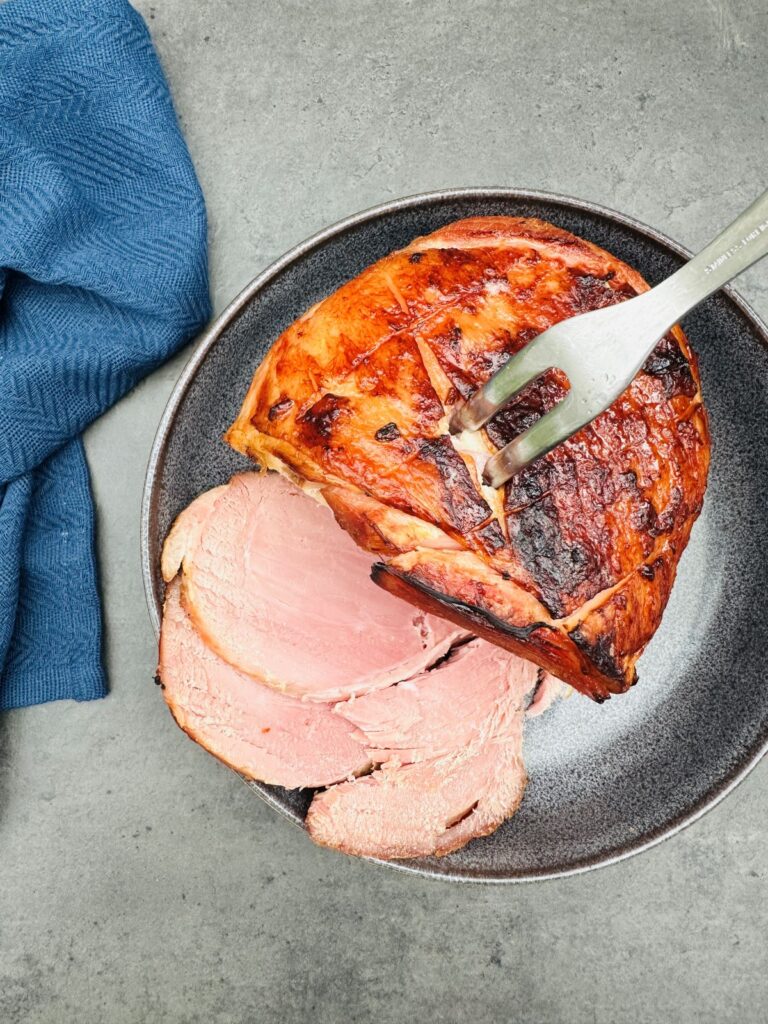
Yes! Slow cookers are brilliant for cooking whole joints of meat, and it’s one of my favourite ways to use them.
You can cook everything from beef and pork joints to gammon and whole chickens.
The meat cooks gently over several hours, helping it become tender and juicy. Tougher cuts, such as brisket and pork shoulder, are particularly well suited to slow cooking.
You don’t necessarily need to add lots of liquid, as the meat releases juices while it cooks.
Just make sure the joint fits comfortably inside your slow cooker with the lid properly closed.
Here are some of my favourite recipes:
- Slow Cooker Gammon – A simple way to cook a gammon joint, with several different flavour options.
- Slow Cooker Whole Chicken – Produces wonderfully tender chicken that practically falls off the bone.
- Slow Cooker Roast Beef – A lovely option for Sunday dinner.
- Slow Cooker Beef Brisket – Great for cooking a tougher cut of beef until tender.
- Slow Cooker Pulled Pork – Perfect for sandwiches, wraps and jacket potatoes.
One thing to remember is that slow cookers don’t produce the same crispy, browned exterior as an oven. If you’re cooking a whole chicken, for example, you can finish it under the grill to crisp up the skin.
Tips For Successful Slow Cooking
Here are a few things I’ve learnt from using my slow cookers over the years:
- Cut root vegetables into smaller pieces. They can take a surprisingly long time to soften.
- Avoid overfilling the pot. Follow your manufacturer’s maximum fill level.
- Keep the lid on. Removing it repeatedly releases heat and increases cooking time.
- Add delicate vegetables towards the end. Peas and spinach don’t need hours of cooking.
- Use dried herbs at the beginning. Fresh herbs are often better added towards the end to preserve their flavour.
- Don’t add too much liquid. Slow cookers retain moisture, so sauces don’t reduce as much as they do on the hob.
- Choose the right cuts of meat. Beef chuck, brisket and pork shoulder are particularly well suited to slow cooking.
- Allow enough cooking time. Tough meat often needs longer to become tender.
What Is The Best Slow Cooker?
There are lots of different slow cookers available, from basic models with a simple dial to more advanced appliances with digital timers and additional cooking functions.
The best slow cooker for you will depend on how many people you’re cooking for, your budget and whether you want any extra features.
Traditional Slow Cookers
A traditional slow cooker is designed primarily for slow cooking.
Most have a removable cooking pot, a lid and low and high settings.
Some also include a keep-warm function or a digital timer.
They’re generally straightforward to use and are a good choice if you mainly want to make stews, casseroles, soups and slow-cooked joints of meat.
Some models, such as the Morphy Richards Sear and Stew, also have a cooking pot that can be used on a suitable hob to brown meat before slow cooking.
Multi-Cookers With A Slow Cooking Function
Multi-cookers, such as the Ninja Foodi and Instant Pot, often include a slow cooking function alongside other cooking methods.
Depending on the model, these might include pressure cooking, air frying, steaming, sautéing and more.
The advantage is that you can prepare lots of different meals using one appliance, potentially saving space in your kitchen.
However, the slow cooking functions don’t always behave in exactly the same way as a traditional slow cooker. Cooking times and temperatures may vary, so you might need to make adjustments to your usual recipes.
What Size Slow Cooker Do I Need?
As a rough guide:
- 1–2 people: Around 1.5–3 litres.
- 3–4 people: Around 3.5–5 litres.
- 5 or more people: Around 6–7.5 litres.
If you regularly cook whole chickens, large joints of meat or prepare meals in batches, you may prefer a larger model.
Remember to consider how much cupboard or worktop space you have available too.
For a closer look at different models and their features, take a look at my best slow cookers guide and reviews.
Frequently Asked Questions About Slow Cookers
Do You Need To Preheat A Slow Cooker?
Not all slow cookers need preheating.
I generally add my ingredients to the pot before switching it on, but it’s important to follow the instructions for your particular model.
Do You Need To Brown Meat Before Slow Cooking?
Not necessarily.
You can add many cuts of meat directly to the slow cooker, which is one reason slow cooking is so convenient.
However, browning meat beforehand can improve its flavour and colour.
I particularly like to brown sausages when making slow cooker sausage casserole.
What Is The Best Meat For Slow Cooking?
Cheaper, tougher cuts of meat are often some of the best choices.
Beef chuck, brisket, pork shoulder and lamb shoulder all benefit from long, gentle cooking.
Try my slow cooker beef stew for a delicious example.
Can You Cook Vegetables In A Slow Cooker?
Yes! Root vegetables such as potatoes, carrots, swede and parsnips work particularly well.
Cut them into even-sized pieces and place them towards the bottom of the pot.
More delicate vegetables, such as spinach and peas, are best added towards the end of cooking.
Can You Cook Frozen Meat In A Slow Cooker?
No. Always fully defrost frozen meat and poultry before adding them to a slow cooker.
Because slow cookers heat food gradually, frozen meat may take too long to reach a safe cooking temperature, allowing harmful bacteria to multiply.
Defrost meat thoroughly in the fridge before cooking.
For the same reason, I recommend using fully defrosted ingredients rather than adding frozen blocks of food to the slow cooker.
Can You Leave A Slow Cooker On While You’re Out?
Slow cookers are designed for extended cooking periods, and many people use them to prepare meals while they’re at work.
However, always follow your manufacturer’s safety instructions.
Place the appliance on a stable, heat-resistant surface, keep it away from anything flammable and check that the cable and plug are in good condition.
If you’re using a slow cooker for the first time, you might feel more comfortable trying it on a day when you’re at home.
Can You Fill A Slow Cooker To The Top?
No. Always leave enough space for food to cook safely.
Check the maximum fill level in your appliance instructions. Many slow cookers recommend filling the pot no more than two-thirds to three-quarters full.
Can You Lift The Lid While Cooking?
You can remove the lid when you need to check the food or add ingredients, but try not to do it too often.
Every time you lift the lid, heat escapes and the cooking time may increase.
Can Food Burn In A Slow Cooker?
Yes, although it’s less likely than when cooking on the hob.
Food can dry out or catch around the edges if there isn’t enough moisture, if the pot is underfilled or if the cooking time is too long.
Follow the recipe quantities and use an appropriately sized slow cooker.
Can You Cook Rice Or Pasta In A Slow Cooker?
Yes, but they need a little more care because they can become overcooked and mushy.
Pasta is often better added towards the end of cooking, although some recipes are designed to cook it for longer.
For example, in my slow cooker lasagne, the pasta sheets cook directly in the sauce.
Rice requires the correct amount of liquid and sufficient cooking time. It’s best to follow a recipe specifically developed for cooking rice in a slow cooker.
Can You Cook Soup In A Slow Cooker?
Absolutely! Slow cookers are excellent for making soups, particularly those containing root vegetables, beans or tougher cuts of meat.
You can add your ingredients, leave them to cook and blend the soup at the end if you prefer a smooth texture.
For more ideas, read my guide on how to make soup in a slow cooker.
Can You Bake In A Slow Cooker?
Yes, you can make a surprising number of sweet recipes in a slow cooker, including cakes, puddings and fudge.
I’ve made slow cooker chocolate fudge as well as slow cooker banana bread.
Can You Convert An Oven Recipe To A Slow Cooker?
Many oven and hob recipes can be adapted for a slow cooker, particularly stews, curries and casseroles.
However, you can’t simply swap the cooking times and expect identical results.
You may need to reduce the amount of liquid, adjust when certain ingredients are added and allow extra time for tougher cuts of meat.
I recommend starting with a recipe designed for slow cooking until you become familiar with your appliance.
Can You Put Cream Or Dairy Products In A Slow Cooker?
Yes, but ingredients such as cream, milk and some cheeses can split or curdle during long cooking times.
For many recipes, it’s better to stir them in towards the end.
Can You Reheat Food In A Slow Cooker?
It’s generally not recommended to reheat chilled leftovers in a slow cooker because they may take too long to reach a safe temperature.
Instead, reheat leftovers on the hob, in the oven or in the microwave until they’re steaming hot throughout.
How Do I Know When Meat Is Cooked?
The most reliable way to check is with a food thermometer.
Insert it into the thickest part of the meat, avoiding bones, and make sure it has reached a safe temperature.
For foods that need thorough cooking, the Food Standards Agency recommends a core temperature of 70°C for 2 minutes, or an equivalent combination such as 75°C for 30 seconds.
You can read more about safe cooking temperatures on the Food Standards Agency website.
For tougher cuts such as brisket, reaching a safe temperature doesn’t necessarily mean the meat will be tender. It may need additional cooking time before it becomes easy to pull apart.
Is A Slow Cooker Expensive To Run?
Slow cookers generally use less power than a conventional electric oven, although they’re switched on for much longer.
The actual running cost depends on the wattage of your slow cooker, how long you use it and your electricity tariff.
To estimate the cost, divide the average power consumption in watts by 1,000, multiply by the number of hours used and then multiply by your electricity price per kWh.
Bear in mind that many slow cookers cycle their heating elements on and off, so their rated wattage isn’t necessarily their average power consumption.
Easy Slow Cooker Recipes To Try
If you’re new to slow cooking, I’d recommend starting with a straightforward recipe to get used to your appliance.
Here are some ideas:
- Slow Cooker Chicken Casserole – An easy family dinner that’s simple to prepare.
- Slow Cooker Beef Stew – Perfect for practising cooking tougher cuts of meat.
- Slow Cooker Pulled Pork – Great for sandwiches, wraps and jacket potatoes.
- Slow Cooker Sausage Casserole – A hearty meal with very little preparation.
Once you’ve made a few recipes, you’ll soon get a feel for how your slow cooker works and which settings suit different meals.
And if you have any questions about slow cooking, feel free to leave a comment below!